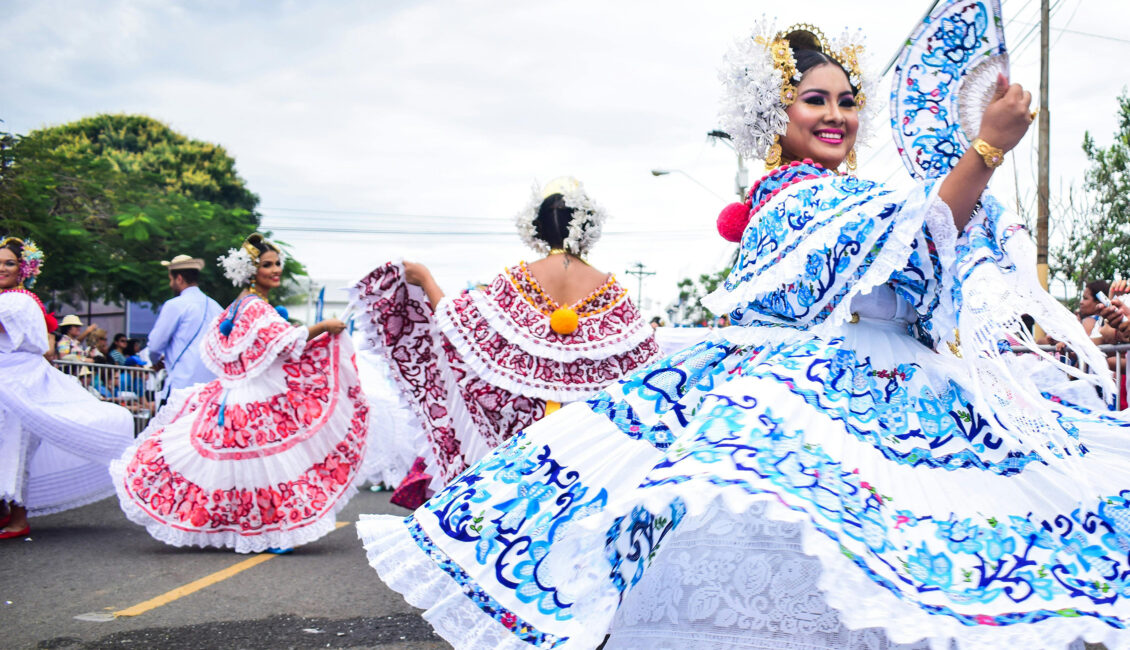
REGULATIONS – FOLK SECTION
ART. 1 – DESCRIPTION OF THE DISCIPLINE
Popular or traditional dance is a genre of dance belonging to the people—created and performed by the people themselves.
Alongside traditional dance, there is folk dance, which originates from popular traditions but is now performed by specialized groups or enthusiasts of traditional culture.
Popular dance represents a cultural form through which society—particularly rural society—has expressed itself over the centuries, serving social, identity, expressive, recreational, ceremonial, practical, and even magical functions.
It is a true social act, strengthening the bonds between people and their environment, and promoting sharing and a sense of belonging.
Over time, the evolution of communities has led to different dance forms: from circle dances to open-chain dances, and eventually to couple and figure dances developed between the 18th and 19th centuries.
Today, popular dance is a means of cultural exchange and gathering, allowing each people to share their roots in a spirit of meeting and mutual respect.
ART. 2 – STYLES
Popular and Folk Dances:
Choreographies may include movements that are not necessarily synchronized, except for moments in which the whole group dances in unison.
The use of scarves, sashes, or small choreographic props, as well as acoustic musical instruments (e.g., frame drum), is allowed and may be integrated as scenic elements.
Small stage sets are permitted as long as they are coherent with the theme and not cumbersome.
At the end of the performance, the stage must be left clear and clean.
Dangerous objects or those that may interfere with subsequent performances are strictly prohibited.
ART. 3 – AGE CATEGORIES
The age categories are as follows:
-
Mini: 8–9 years
-
Youth: 10–12 years
-
Junior: 13–16 years
-
Adults: 17–25 years
-
Senior: 26+
Age calculation: age is calculated as of the start date of the event (this applies to both the Final and the Selections).
The group’s age category is determined by the average age of its members.
For Duos, the age of the older dancer is taken as reference.
ART. 4 – LEVEL CLASSES
-
Single level
ART. 5 – PERFORMANCE UNITS
-
Soloist
-
Duo
-
Group (3–6 participants)
-
Formation (7 or more participants)
-
Ensemble (live acoustic music group with dancers)
ART. 6 – PERFORMANCE DURATION
-
Soloists: min 1:30 – max 2:30 minutes
-
Duo: max 3:00 minutes
-
Groups/Formations: max 5:00 minutes
-
Ensemble: max 7:00 minutes
ART. 7 – COSTUMES
Costumes must be consistent with the represented style and folklore, appropriate to the dancer’s age and competition category.
Women:
-
Transparent or excessively low-cut garments are prohibited.
-
Crop tops, thin-strap tank tops, and transparent fabrics are not allowed.
-
Dancers may perform barefoot or with footwear suited to the chosen folklore (if wearing high heels, heel protectors are mandatory).
Men:
-
Transparent garments are prohibited.
-
Fabrics must be opaque; colors are free, respecting the folklore represented.
All group members must present a uniform style (either all with or all without shoes).
Logos, writings, or advertising symbols visible on costumes or props are not allowed.
For the Youth category, the use of a top (not a bra) is mandatory.
ART. 8 – EVALUATION CRITERIA
The jury will assign a score from 1 to 10, including half points, based on:
-
Authenticity and choreographic research
-
Interpretation and stage presence
-
Technique and coordination
-
Musical and rhythmic coherence
-
Originality in the reinterpretation of folklore
ART. 9 – PENALTIES
Disqualification will occur in the following cases:
-
Improper behavior by a participant
-
Absence after the third stage call
-
Performance in the wrong category (e.g., show dance in folklore)
-
Use of dangerous objects (knives, swords, daggers, foils, or any sharp items)
ART. 10 – COMPETITION PROCEDURE
Each group or participant will perform individually and be evaluated according to the established criteria.
Competitors will dance with their own music.
If a group is the only one competing in its category, it will compete against other groups in different categories.
ART. 11 – MUSIC SELECTION AND SUBMISSION
The choice of music is free, provided that at least 50% of the piece relates to the chosen folklore.
👉 Music must be uploaded via the choreography form that the secretariat will send to all participants who have completed their registration.
The file must be in .mp3 format, properly named as follows:category_school-name_choreography-title.mp3